


 English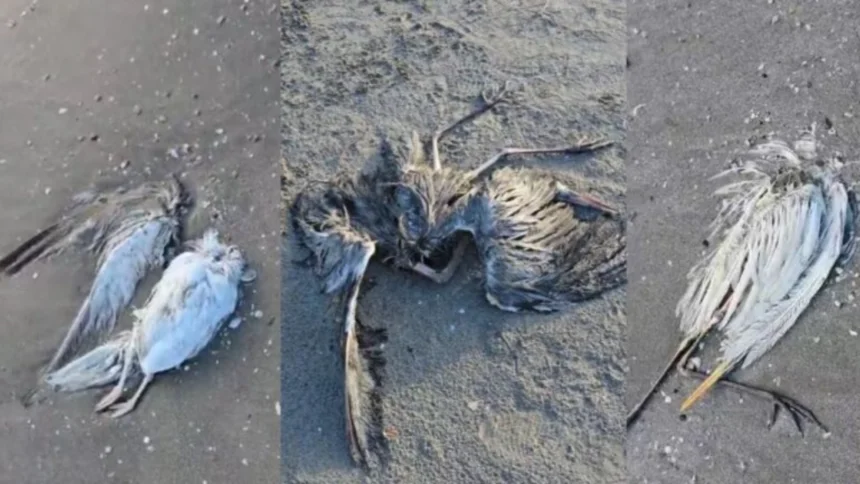
The presence of the West Nile virus has been confirmed in a dead raven that was tested as the illness spread across the suburban areas of Skopje.
The number of infected persons has risen to 43, Healthcare Minister Saso Klekovski informed at a press conference today. The first cases have also been registered in the municipalities of Centar and Cair. There are 34 at-risk areas in the Skopje Region, of which 13 are high-risk. Four patients have died so far, all of them elderly with prior health issues.
This is the first dead bird in which the virus has been laboratory-confirmed in the current epidemic. In recent days, the Food and Veterinary Agency has received around a hundred reports of dead birds, most of them from concerned citizens. The AHV previously warned that seeing one dead bird by itself does not mean that it is infected, but a larger number of dead ravens or other wild birds in the same area should be reported.
I would like to thank the citizens of Skopje because there are a large number of reports of dead birds. They are collected by the Food and Veterinary Agency and help in further risk assessment, Klekovski said.
Birds are a key part of the natural cycle of the West Nile virus. The virus circulates between wild birds and mosquitoes, and humans are most often infected through the bite of an infected mosquito. People are not the main source for the further spread of the infection.
Authorities have currently mapped 34 risk areas in the Skopje Valley, 13 of which are assessed as high-risk. The main problem is places where water has been standing for a long time and there is organic waste, conditions suitable for mosquito breeding. Among the most risky areas are the irrigation canals around Skopje, in Idrizovo, Stajkovci, Singelic, Gazi Baba, Dracevo, Batinci and Studenicani, as well as parts of Serava in Radishani and Butel. Settlements with a large number of septic tanks, as well as cemeteries where water and waste are stored in vases have also been added to the list.