


 English
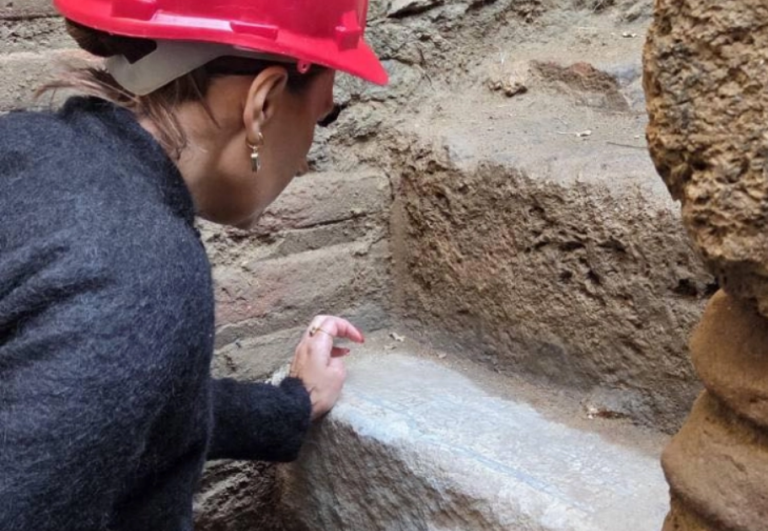
The archaeological research at the Isar – Marvinci site near Valandovo in 2026 brought exceptional results that significantly expand the previous knowledge about the urban development, architecture, and everyday life in the ancient city. This year’s research, carried out by the National Archaeological Museum – Skopje, was directed toward investigating part of the complex of the public city bath from the Roman period. Previous archaeological findings indicated the existence of a bathing area with cold water.
However, the latest discoveries confirm that after the 2nd century AD the complex also had a bathing area with hot water, equipped with a developed heating system. As pointed out by the National Archaeological Museum, one of the most significant discoveries is a monumental pool with dimensions larger than 4.5 × 2.5 meters and a depth of over 1.5 meters. Its construction was executed with special waterproof mortar, upon which a marble cladding made of more than eight different types of marble was placed. Particular attention is also drawn by the glazing of the marble surfaces, which represents an additional indicator of the attention devoted to the final processing and the aesthetic appearance of the space.
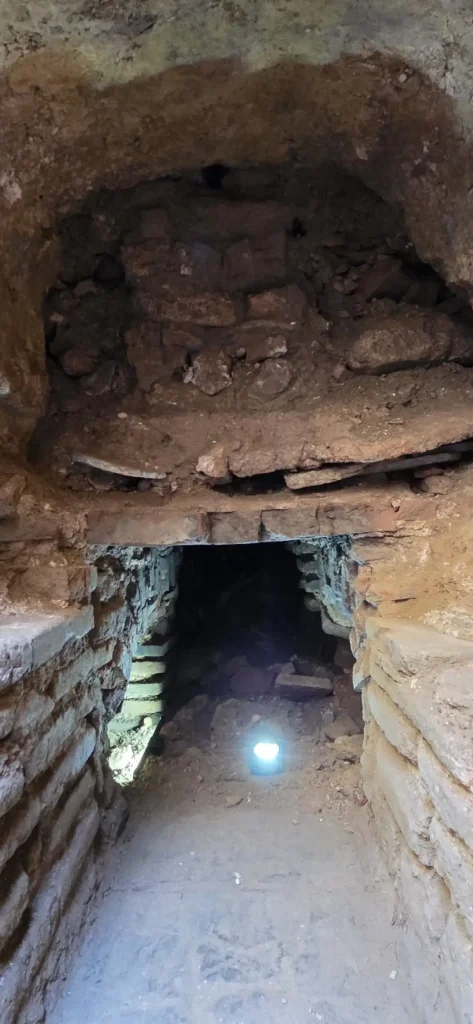
Especially significant is the discovery of the exceptionally well-preserved heating system under the pool, which functioned through a special furnace and a system for the circulation of hot air. This find enables the direct study of the technical and engineering solutions applied in Roman bath architecture. The discovered complex is also directly connected to the city cistern, which opens new possibilities for researching the water supply and the infrastructural organization of the ancient city, the National Archaeological Museum emphasized.
As stated by the museum, the exceptional preservation of the architecture represents one of the greatest values of the discovery. The space is located at a depth of about seven meters below today’s surface, and its preserved structural elements provide a rare opportunity to study a Roman bath complex in its original architectural context.
The quality of the construction, the carefully executed waterproofing, the variety of the marble claddings, their final processing, and the complexity of the heating system indicate significant investments in public infrastructure. These discoveries further confirm the economic and urban significance of the city on Isar in the Roman period. The research also revealed evidence of the later phases of the use of the space. Above the bath complex, remains of a furnace/smelting workshop for iron and glass, dated to the 4th–5th century, were registered, as well as part of a structure with a presumed military function. These finds indicate the changes in the purpose of the space during late antiquity, when parts of the former public complex received a different function, the Archaeological Museum specified.