

 English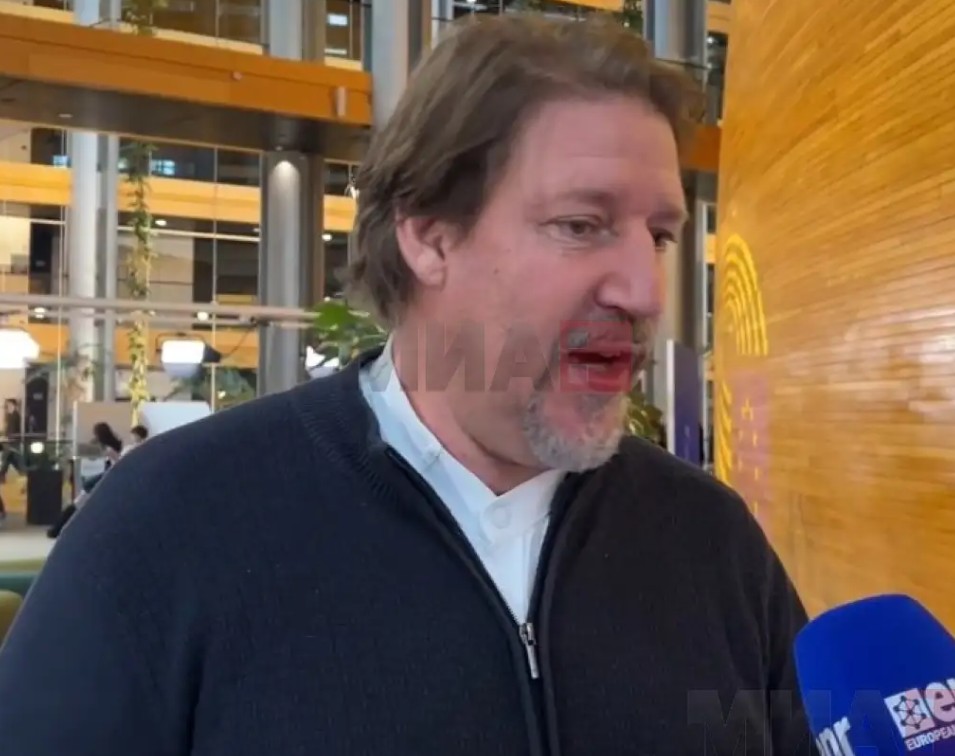
It is essential for Macedonia’s European integration, especially in the context of the new geopolitical reality, that all political actors, especially the Government, deliver tangible results in key areas, while at the same time the EU and its member states must fulfil their obligations, fully supporting the country, including through active diplomatic engagement, to help it progress in fulfilling its own obligations – says European Parliament’s rapporteur for Macedonia, Austrian MEP Thomas Waitz, in his annual draft progress report on Macedonia. The report will be presented to the EP’s Foreign Affairs Committee (AFET) on 26 February. Last year, Waitz tried to include clear references to Macedonian national identity in the report, but this was angrily shot down by the Bulgarian members of the European Parliament.
In the explanatory statement in the draft report, Weitz emphasizes that this year he has the honor to present his second report on Macedonia and adds that the document aims to provide a balanced and objective assessment of the country’s progress in the accession process and, in accordance with established practice, is being prepared in response to the EC’s 2025 enlargement package.
Macedonia is currently in a difficult position as the accession process is stalled. Despite some positive reforms, progress on the EU reform agenda, especially in key areas such as the rule of law, judicial reform and the fight against corruption, has been insufficient. This is due to the election campaign, limited capacities in the public administration and the lack of long-term political commitment, says Waitz.
He points out that no progress has been made on constitutional amendments that Bulgaria insists that Macedonia must adopt, due to concerns about potential additional bilateral blockades or demands coming after the initial concession will be made. Waitz believes that an urgent increase in political will on both sides is also needed to overcome this impasse.
Waitz stressed that at a time of major changes in the international order, especially due to Russia’s war against Ukraine, the sudden uncertainty over the future of the transatlantic alliance and broader threats to the rules-based international order, it is essential for Europe to remain united.
In this geopolitical context, opportunities may arise to revive and accelerate the accession process. However, that process will remain merit-based and firmly linked to progress in fundamental areas, especially the rule of law. It is therefore essential that all political actors in Macedonia, especially the Government and the members of the ruling majority, recognize this new urgency and start delivering tangible, convincing and honest results in these key areas, without further delay – Weitz stressed.
He stressed that progress in rule of law reforms is not only important for moving closer to EU membership, but is also crucial for building a prosperous and resilient state that serves all citizens.
A functional rule of law and a predictable, trustworthy investment climate are prerequisites for sustainable economic development. It will also allow the country and its citizens to fully benefit from the gradual integration processes and projects offered by the European Union, says Waitz. At the same time, the EU and its member states, added Weitz, must also fulfill their obligations.
We must fully support the country, including through active diplomatic engagement, to help Macedonia make progress in fulfilling its own obligations and overcome existing obstacles. As for this institution, as in the previous reporting period, I remain committed to fostering a more stable, more constructive, more European, more democratic and more enlargement-oriented majority in support of Macedonia’s accession to the EU. I look forward to securing the support of all members of Parliament who share this strategic goal, adds the Austrian MEP.
The draft report expresses full support for the country’s commitment to EU membership and the commitment of Macedonian citizens to EU integration, but recommends that renewed political commitment is needed, including constitutional amendments, constructive inter-party cooperation and effective parliamentary oversight of the progress of reforms.